Customer Experience in a World Shaped by Extreme AI
- customer-experience
Technology is not politely knocking on the door. It is already inside, rearranging the furniture. And the customers your organisation serves today will live in a world that makes 2026 look quaint.
This is not a forecast. It is a provocation. Six predictions about where AI and technology could be heading, and what each one could mean for organisations that care about customer experience. Some of these will make you excited. Some will make you uncomfortable. Good.
1. What happens to trust when there's no one left to trust?
Your company, ten years from now. AI designs the products. AI handles complaints. AI processes claims, answers queries, and resolves issues before the customer even thinks to call. It is fast, consistent, and never has a bad Monday. Customers rarely speak to a human at your organisation anymore. Most of them haven't noticed.
Then someone's geyser bursts at 2am. Water is pouring through the ceiling, the kids are crying, and your customer calls the insurance line. They don't want efficiency. They want a human voice saying, "Don't worry, we've got you." Instead, they get an AI that has already approved the claim, dispatched a plumber, and sent a confirmation email. Technically flawless. Emotionally, nothing.
So here are the questions your business will need to answer:
- If AI replaces the people your customers used to connect with, where does trust live?
- How do you build loyalty when there is no one to be loyal to?
- Do you know exactly where human presence still matters, and are you protecting it fiercely, even when the spreadsheet says it is cheaper not to?
2. When your customer can be anywhere, why would they be with you?
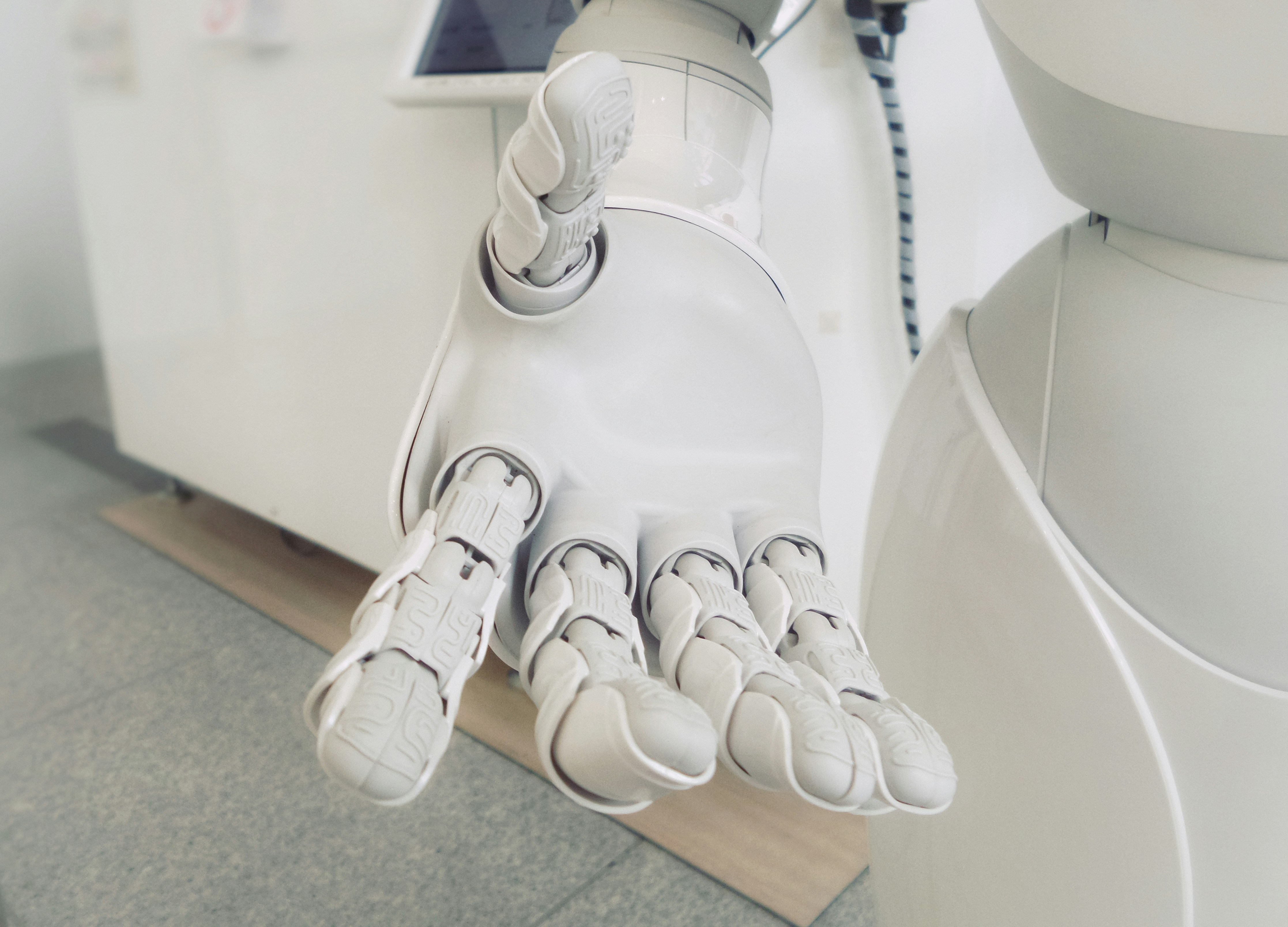
It is a Wednesday afternoon. Your customer is sitting on their couch in Durban in pyjamas. They are also, simultaneously, walking through your Johannesburg showroom, picking up products with robot hands, feeling the weight, the texture, the temperature. They are experiencing your store through a surrogate body, and every sensation is real to them.
Sounds far-fetched? In this same future, a disabled person walks for the first time through a surrogate. A miner works a dangerous shaft from a reclining chair. An exhausted executive takes a ten-minute sensory break on an Alpine mountainside between meetings, then opens their eyes back at their desk.
When your customer can stand on Mars before breakfast, your loyalty lounge has a problem.
- Nobody is stuck in your waiting room anymore. The moment your experience is not worth being present for, they disconnect, and you might not even know it.
- The only brands that survive this are the ones offering something worth staying for, not because the customer has no choice, but because the experience is that compelling.
3. Your brand needs to show up in worlds that don't physically exist yet.

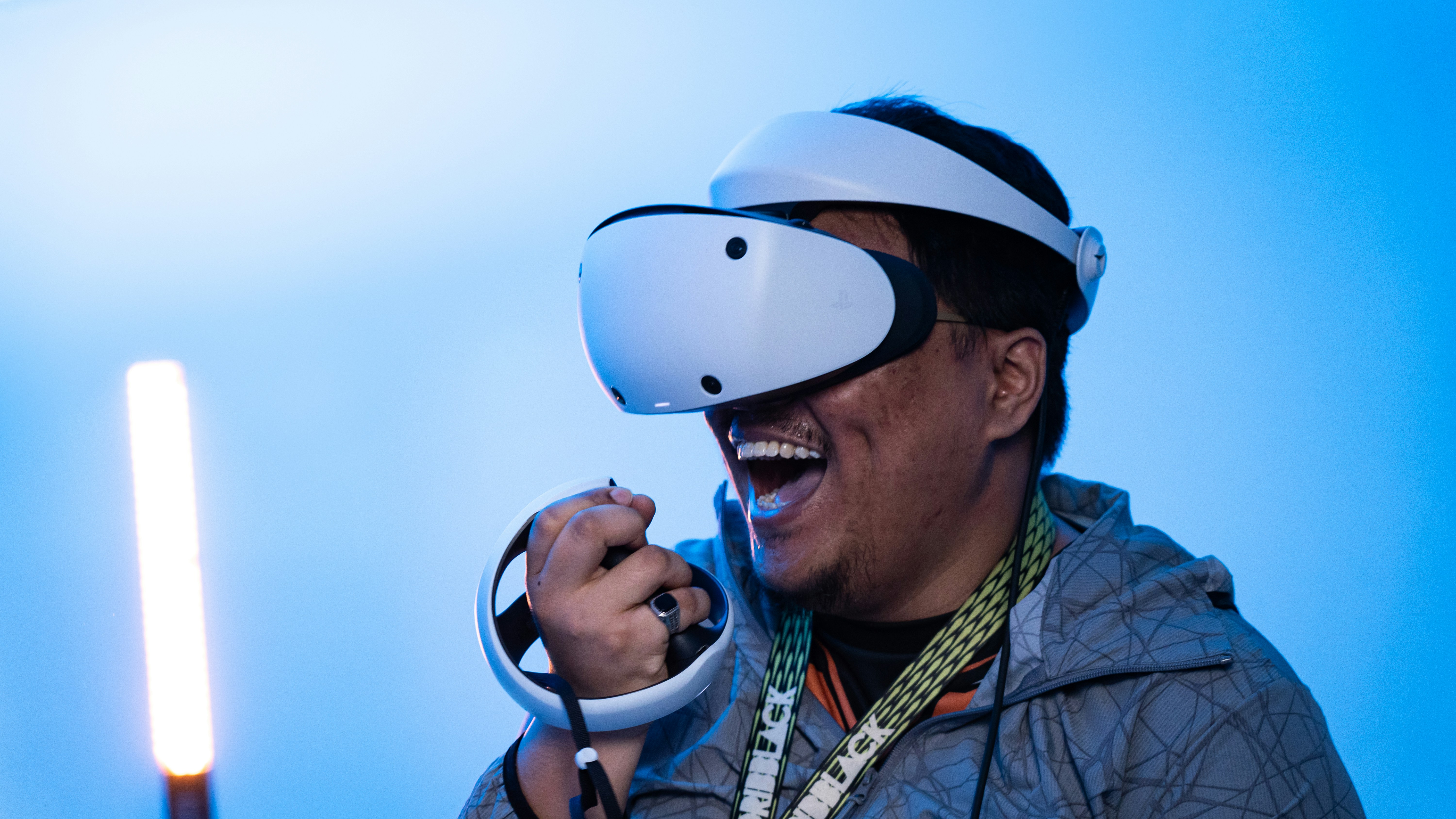
Your customer puts on a headset after dinner and steps into a world they helped build. It has its own economy, its own social circles, its own culture. It feels as real as their living room. Some people spend entire evenings there. Some have built careers there. And increasingly, this virtual world bleeds into the physical one: a customer standing in your real store sees virtual product information, reviews, and personalised recommendations floating in their field of vision, like a layer of magic on top of ordinary life.
If your brand does not exist in these spaces, you are invisible in half of your customer's reality. But show up the wrong way, plastering ads across someone's carefully built virtual world like a billboard on a hiking trail, and you will be rejected instantly.
- Your store could be anything. Your product demo could defy gravity. The creative possibilities are extraordinary.
- But who owns the virtual world your customer lives in? If it is a platform controlled by someone else, your brand exists at their pleasure.
- That is worth losing sleep over.
4. Everyone sees the future coming. The question is who moves first.
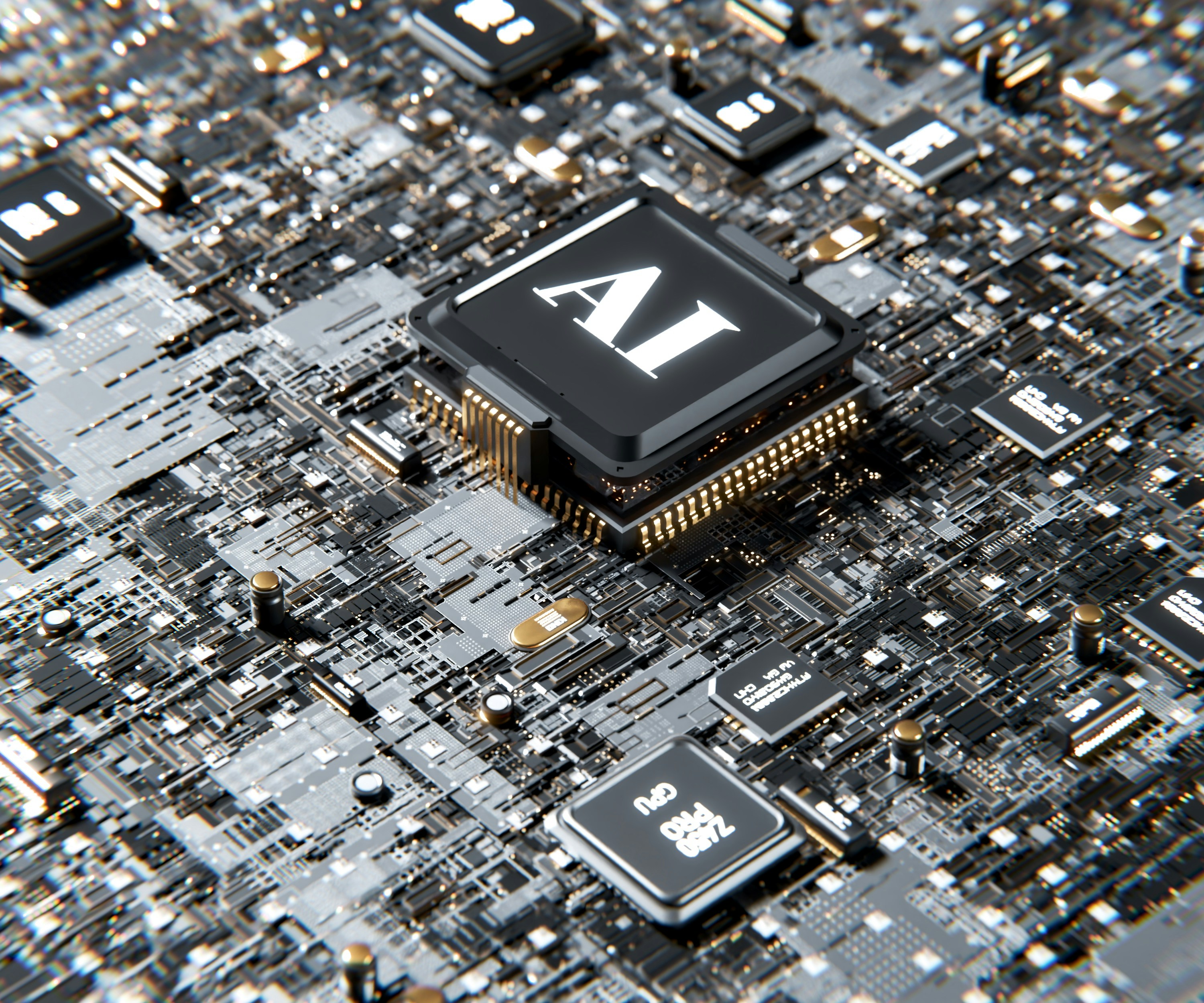
What if your AI could predict interest rate shifts years out, spot fashion trends before the first influencer posts, and flag a supply chain disruption before it happens? What if drug discovery, currently a process that takes decades, could be done in weeks? That last one is not hypothetical. AI-designed drugs are already in human clinical trials today.
Here is the uncomfortable part: your competitors have access to the same AI. The same tools, the same data, the same crystal ball. Knowing what is coming stops being a competitive advantage when everyone knows.
So the differentiator shifts:
- It is no longer about prediction. It is about speed, creativity, and depth of customer understanding.
- AI can analyse millions of people in seconds, but it cannot sit across from a customer and understand why they hesitated or what they really meant when they said "it's fine."
- The winners will pair AI's speed with human insight, and be agile enough to actually do something with what they learn.
5. The new benchmark for service is not your competitor. It is your city.

A pipe is fixed before it bursts because the city's AI predicted the failure two days ago. Traffic reroutes across fourteen intersections without a single human decision. Your electricity tariff adjusts automatically during off-peak hours. Every budget decision is transparent and auditable in seconds.
This is your customer's Tuesday. Seamless, predictive, invisible. And then they interact with your brand, and they have to fill in a form, or wait on hold, or explain their problem to three different people.
The bar for service is no longer set by your competitors. It is set by infrastructure.
- Can you predict problems before the customer notices? Because the city can.
- Can you explain exactly why a decision was made? Because the city can.
- If the city can do it, your customers will wonder why you cannot.
6. Your customer is upgrading. Is your understanding of them keeping up?
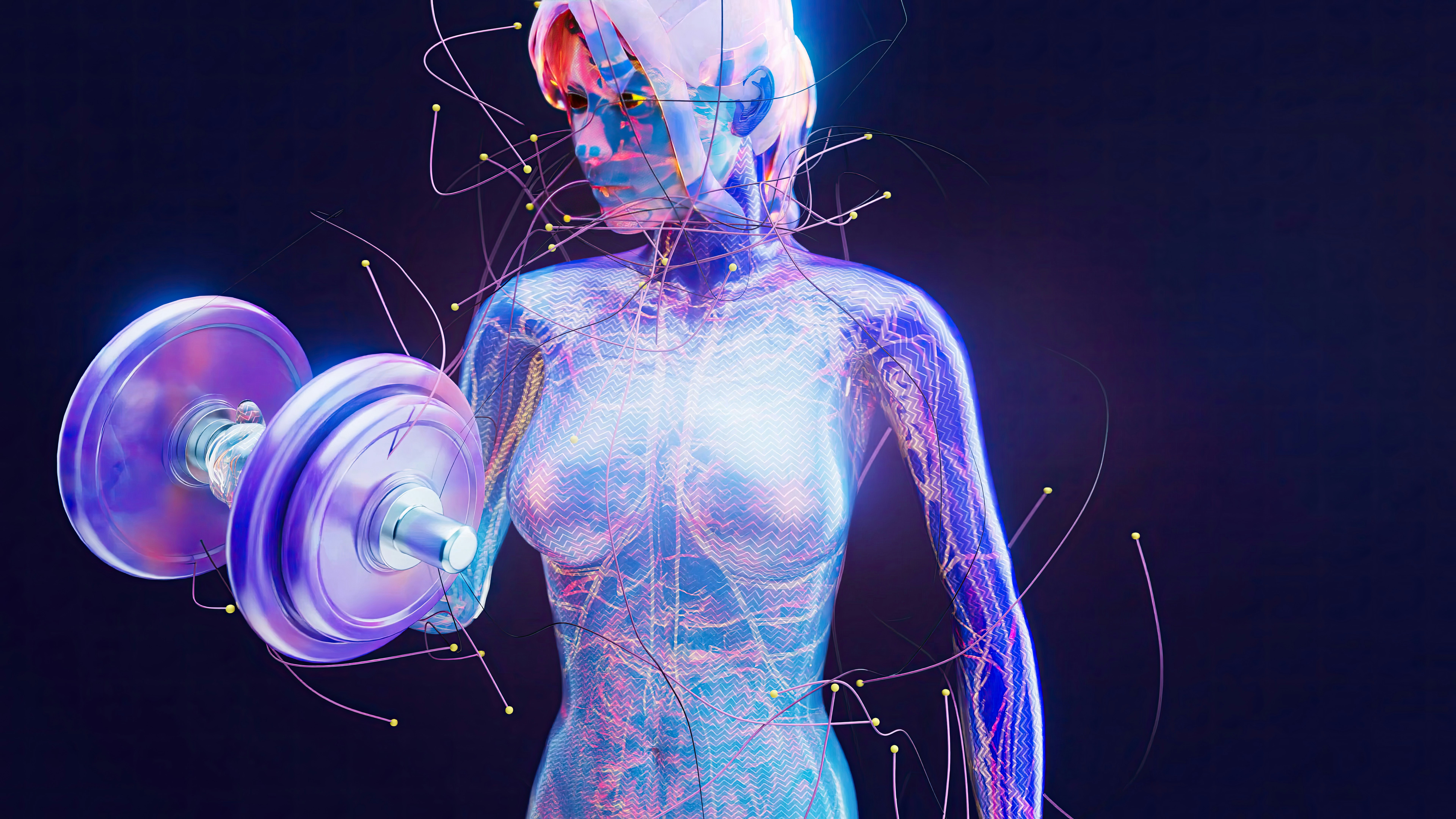
Nanobots in the bloodstream, repairing damage before symptoms appear. Bionic eyes that outperform the ones evolution gave us. Neural implants that connect people to the internet, enhance memory, and speed up learning. Your customer is becoming sharper, faster, healthier, and potentially living decades longer than any generation before them.
Every other prediction in this piece changes the world around the customer. This one changes the customer themselves.
- The persona you built three years ago? It might already be out of date.
- A customer with a neural implant who compares your offering to every competitor in milliseconds is a fundamentally different person to serve.
- Not everyone upgrades at the same time, so you could be designing for augmented and non-augmented customers simultaneously.
The future is not waiting. Neither should you.
These predictions are speculative. The timelines are uncertain. But the direction is not.
The organisations that navigate this well will not be the ones with the best technology. They will be the ones with the deepest understanding of the people they serve. That is what evidence-based customer insight is for, not predicting 2036, but making better decisions right now.
Because the future rewards those who move with evidence.
Follow us on LinkedIn to get daily insights.